Why Emergency Medical Careers Are Rewarding
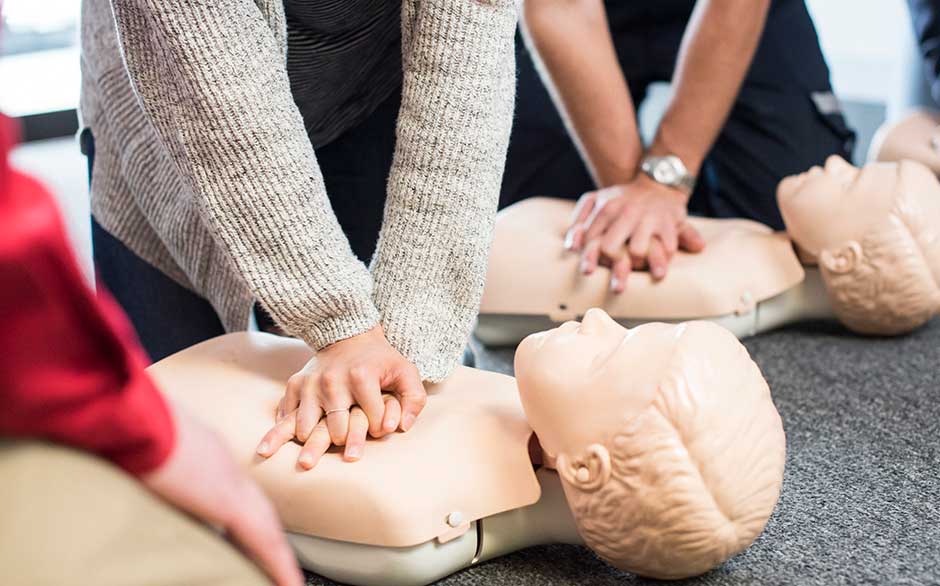
Choosing a career in emergency medical services (EMS) is more than just a profession—it’s a calling. EMS professionals are often the first to respond in times of crisis, making a direct impact on people’s lives every day. While the work can be challenging and unpredictable, the rewards are immeasurable. EMTs and paramedics experience the unique satisfaction of saving lives, providing comfort in difficult situations, and being trusted by their communities. Beyond personal fulfillment, EMS careers offer growth opportunities, from becoming a paramedic to advancing into specialized fields like critical care or emergency management. The healthcare sector continues to expand, creating a strong demand for skilled professionals with certified training. Additionally, the teamwork and camaraderie built in this field are unmatched, as colleagues rely on one another to perform in high-pressure environments. For those seeking a meaningful, impactful, and respected career, emergency medical services offer a truly rewarding path.
The Importance of Hands-On Medical Training
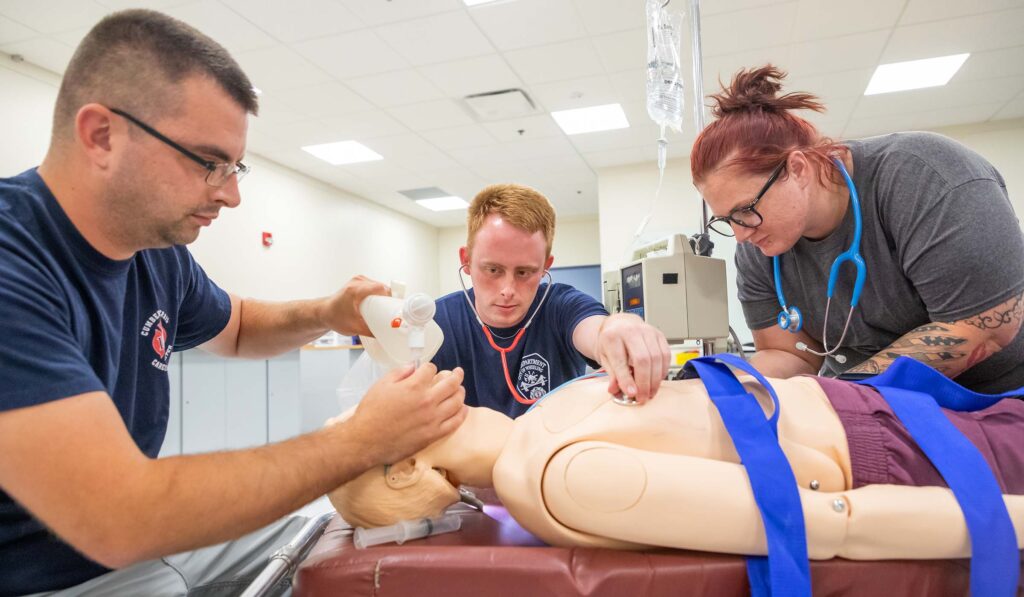
In emergency medical education, classroom knowledge alone is not enough. Hands-on training plays a critical role in shaping competent healthcare professionals. By practicing skills in real-life scenarios or simulated environments, students build confidence and muscle memory, which are essential in emergency situations where every second counts. For example, practicing CPR on a mannequin or learning how to insert an airway device under supervision allows learners to correct mistakes and improve technique. Clinical rotations provide exposure to real patients and diverse cases, bridging the gap between theory and practice. Hands-on learning also helps students develop teamwork, communication, and decision-making skills—qualities vital for working in high-pressure medical environments. Unlike textbooks, real-world practice teaches adaptability and resilience. At Emergency Medical Education, we emphasize hands-on training to ensure our graduates are fully prepared to deliver effective, timely, and compassionate care when lives depend on their quick response.
How to Prepare for EMT Certification Exams
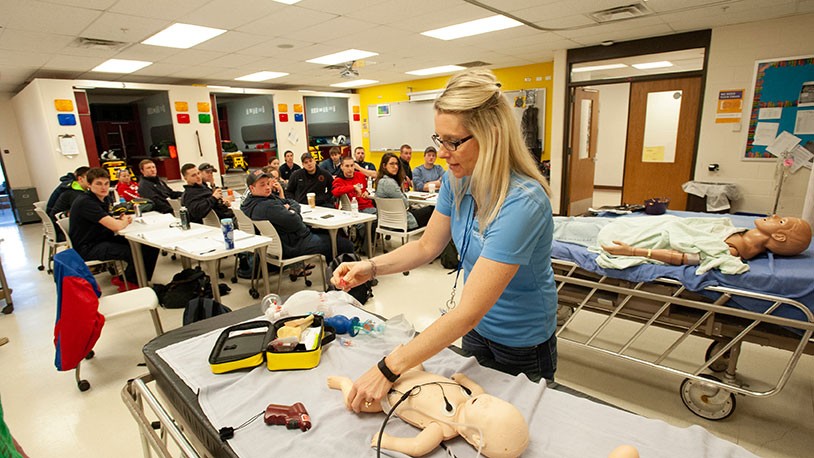
Preparing for the EMT certification exam can feel overwhelming, but with the right approach, you can set yourself up for success. The exam is designed to test your knowledge, critical thinking, and ability to apply concepts in real-world scenarios. Start by reviewing your course material regularly instead of cramming right before the test. Focus on key areas such as patient assessment, airway management, medical emergencies, trauma care, and operations. Practice exams are a great way to identify strengths and weaknesses, allowing you to concentrate on areas needing improvement. Additionally, joining study groups helps reinforce concepts through discussion and shared insights. Hands-on practice is equally important—skills like CPR, splinting, or EKG reading should be second nature. Remember, rest and proper nutrition before exam day are just as important as studying. With consistent effort and effective strategies, you’ll approach your EMT certification exam with confidence and clarity.