The Importance of Hands-On Medical Training
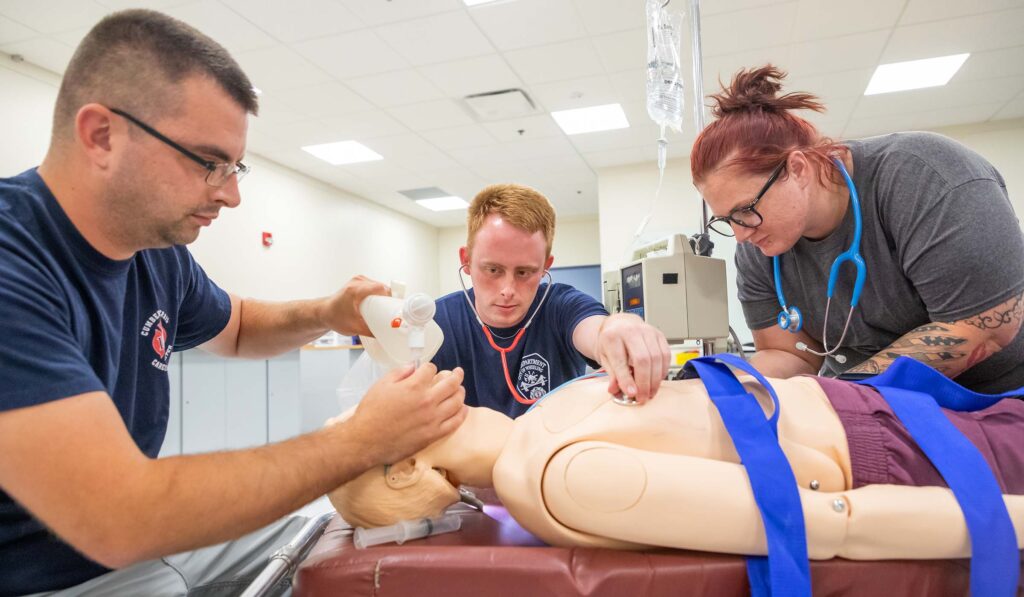
In emergency medical education, classroom knowledge alone is not enough. Hands-on training plays a critical role in shaping competent healthcare professionals. By practicing skills in real-life scenarios or simulated environments, students build confidence and muscle memory, which are essential in emergency situations where every second counts. For example, practicing CPR on a mannequin or learning how to insert an airway device under supervision allows learners to correct mistakes and improve technique. Clinical rotations provide exposure to real patients and diverse cases, bridging the gap between theory and practice. Hands-on learning also helps students develop teamwork, communication, and decision-making skills—qualities vital for working in high-pressure medical environments. Unlike textbooks, real-world practice teaches adaptability and resilience. At Emergency Medical Education, we emphasize hands-on training to ensure our graduates are fully prepared to deliver effective, timely, and compassionate care when lives depend on their quick response.